Orlando FL Periodontist | The Periodontal Disease – Diabetes Connection

Orlando FL Periodontist | The Periodontal Disease – Diabetes Connection

ORLANDO, FL PERIODONTIST

Posted on
Orlando FL Periodontist

In our mouths, we have numerous forms of bacteria. Some are helpful and some are harmful. Bacteria in the mouth can be helpful because it helps to sanitize the mouth and breaks down food particles. However, too much bacteria can lead to the development of gum disease which can be damaging to your oral health.
FL Periodontist

When the bacteria start to collect in the mouth, it can create a sticky colorless substance known as “plaque” that sticks on to your teeth. If the plaque is not removed during brushing or flossing, the particle can harden and turn in to tartar. Over time, plaque and tartar becomes more difficult to remove at home so a professional cleaning with the dentist is important for maintaining your oral health and preventing decay and periodontal (gum) disease.

The longer the plaque and tartar remain on the teeth, the more harm they can cause to your oral health. Eventually plaque and tartar will create a mild form of gum disease called Gingivitis, which is an inflammation of the gum tissue. Ideally, routine cleanings and proper oral care can prevent gingivitis from developing. Once gum disease is prevalent, only your dentist can help to maintain the disease and prevent it from progressing.

In cases where gingivitis is not treated, it can then advance to periodontal disease. With periodontal disease, the inflammation now affects the soft tissue (gums) and the tooth and if left unattended, it can cause the tooth to loosen or fall out.

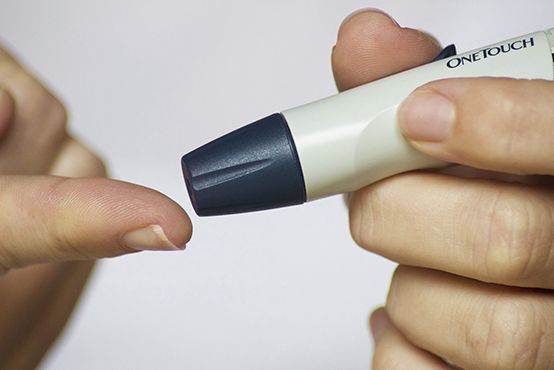
Having periodontal disease also can affect your overall bodily health. In many studies, there have been connections with periodontal disease to diabetes and heart disease. It is important to regularly see the Periodontist for a routine, professional cleaning and examination to prevent gum disease.

With periodontal disease, Lake Nona Dental Implants and Periodontics has solutions to help you prevent and maintain gum disease. A common solution for controlling periodontal disease is a deep dental cleaning, which can be performed by your Orlando Periodontist or certified hygienist. Contact Lake Nona Dental Implants and Periodontics to schedule your next visit today.


 

Lake Nona Dental Implants and Periodontics
Phone: (407) 535-9802
9145 Narcoossee Road, Suite A-100
Orlando , FL 32827

Visit Our Orlando Dental Office

Orlando, FL Periodontist | Lake Nona Dental Implants and Periodontics
(407) 535-9802 | 9145 Narcoossee Rd. Suite A-100, Orlando, FL 32827

Read Our Orlando Dental News

Periodontist in Orlando, FL

BTEzhMuaRKWvbMGX1HQktgkjPpbTURPDC1MBHGMp

Custom Mouthguards: A Smart Solution for Protecting Your Oral Health

April 17th 2026

At Lake Nona Dental Implants and Periodontics, located at 9145 Narcoossee Road, Suite A-100 in Orlando, our dedicated team emphasizes the importance of mouthguards in safeguarding your teeth. A common misconception is that mouthguards are only for athletes; however, they...

BTEzhMuaRKWvbMGX1HQktgkjPpbTURPDC1MBHGMp

A Guide to the Dental Cleaning Process at Lake Nona Dental Implants and Periodontics

April 15th 2026

At Lake Nona Dental Implants and Periodontics, patients can take comfort in knowing that their oral health is prioritized and enhanced under the expertise of our team, headed by Dr. Carlos Pires. Understanding what to expect during a dental cleaning...

BTEzhMuaRKWvbMGX1HQktgkjPpbTURPDC1MBHGMp

Unlocking Successful Dental Implants Through Effective Bone Grafting

April 13th 2026

At Lake Nona Dental Implants and Periodontics, understanding the significance of bone grafting is crucial for anyone considering dental implants. This procedure is essential for ensuring that the jawbone is strong and healthy enough to support new implants. Dr. Carlos...

Periodontist Orlando FL
Lake Nona Dental Implants & Periodontics
Privacy Overview

This website uses cookies so that we can provide you with the best user experience possible. Cookie information is stored in your browser and performs functions such as recognising you when you return to our website and helping our team to understand which sections of the website you find most interesting and useful.