
Periodontist Orlando, FL | Lake Nona Dental Implants & Periodontics | Blog

Lake Nona Blog

ORLANDO, FL PERIODONTIST

Blog

Orlando FL Periodontist | Gum Health and Alzheimer’s Disease

Posted on

Your gum health may have an impact on your cognitive function. One recent study found a correlation between gum disease and increased cognitive decline for people living with early stages of Alzheimer’s disease. While more studies are needed to make a definitive connection, this study illustrates the importance of continuing the conversation about oral health and its impact on your entire body.

Details of the Study

The study was administered by King’s College London and the University of Southampton. It observed 59 patients with early stages of Alzheimer’s disease. Blood tests were utilized to examine inflammatory markers present in the bloodstream, while patients’ dental health was examined by dental hygienists.

What it Found

The study found that patients with gum disease experienced cognitive decline at a rate 6 times faster than those without gum disease. The study suggested that the body’s reaction to inflammation may be responsible for causing the rapid decrease in brain function.

Importance of Healthy Gums

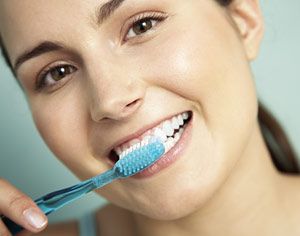
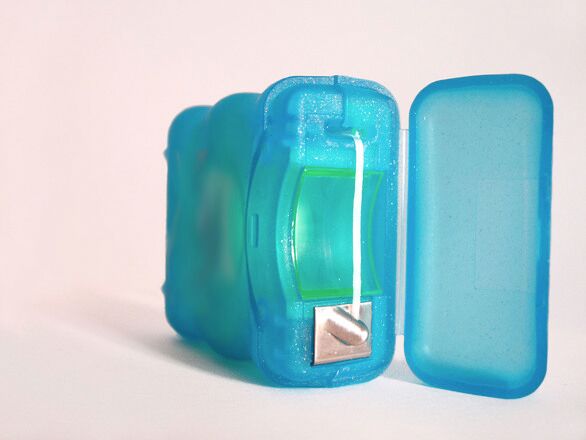
Previous studies have determined that gum disease can increase your risk of developing complications such as heart disease and stroke. Maintaining healthy gums is essential to staying healthy overall. You can keep your gums healthy by following good daily oral hygiene habits. This includes brushing twice each day for two minutes, as well as flossing regularly.

For those living with Alzheimer’s disease, it is imperative to maintain good oral health. If you are a caregiver of someone with the disease, make sure they are following an effective daily oral hygiene routine, as well as visiting our office for regular examinations. Keeping your gums healthy may be one key to keeping your body and brain healthy throughout your lifetime.

For more information about gum health, or to schedule your next visit to our office, please contact us.

Resources:

https://www.alzheimers.org.uk/site/scripts/news_article.php?newsID=2573

Orlando FL Periodontist | Why Are My Teeth Sensitive?

Posted on

If the idea of biting into an ice cream sandwich makes you cringe, you may be one of the millions of people who suffer from sensitive teeth. This is often caused by movement of fluid in the dentin – the soft inner tissue beneath the enamel of your tooth. This motion irritates the tooth nerve, creating a tingling sensation and sometimes pain.

Another common cause of tooth sensitivity occurs when the tiny tubes of fluid in the dentin become exposed. This can happen due to tooth wear, receding gums, or damage to the tooth. When this occurs, pain is triggered by eating or drinking foods that are hot or cold, sweet or acidic, and even through contact or exposure to air.

Whitening and orthodontic treatment may cause temporary teeth sensitivity. In most cases, this type will disappear within a week or two. In severe cases of sensitivity, the tooth nerve itself may be exposed, causing severe pain and irritation and requiring immediate treatment.

What can you do about sensitivity?

If you are suffering from sensitivity in your teeth, tell your hygienist or dentist at your next dental visit. They may need to screen for more serious underlying causes that could need treatment. They will also be able to recommend your best method of managing your discomfort.

Is sensitivity preventable?

Some forms of sensitivity are preventable. Avoid using hard-bristled toothbrushes and do not brush aggressively. This can cause higher levels of wear that lead to sensitivity. If you participate in sports, wear a mouthguard to protect your teeth from trauma. Chipped and cracked teeth often become sensitive.

Once serious underlying issues have been ruled out, you can help to manage mildly sensitive teeth with special toothpastes that are designed to decrease your sensitivity. If these do not provide sufficient relief, ask whether a prescription product may be needed.

If you experience tooth sensitivity, contact our office to schedule an appointment. We can help.


Resource: http://www.knowyourteeth.com/infobites/abc/article/?abc=W&iid=329&aid=1319

First blog post

Posted on

This is your very first post. Click the Edit link to modify or delete it, or start a new post. If you like, use this post to tell readers why you started this blog and what you plan to do with it.

post

Visit Our Orlando Dental Office

Orlando, FL Periodontist | Lake Nona Dental Implants and Periodontics
(407) 535-9802 | 9145 Narcoossee Rd. Suite A-100, Orlando, FL 32827

Read Our Orlando Dental News

Periodontist in Orlando, FL

BTEzhMuaRKWvbMGX1HQktgkjPpbTURPDC1MBHGMp

Protect Your Teeth from Grinding with Custom Nightguards

August 24th 2026

At Lake Nona Dental Implants and Periodontics, located at 9145 Narcoossee Road, Suite A-100 in Orlando, our expert periodontist offers tailored solutions for various dental issues, including teeth grinding, also known as bruxism. This condition is often overlooked yet can...

BTEzhMuaRKWvbMGX1HQktgkjPpbTURPDC1MBHGMp

The Importance of Oral Cancer Screenings for Your Health in Orlando

August 21st 2026

In the realm of periodontal health, regular oral cancer screenings take on a vital role in ensuring overall well-being. At Lake Nona Dental Implants and Periodontics, located at 9145 Narcoossee Road, Suite A-100 in Orlando, the focus is not solely...

BTEzhMuaRKWvbMGX1HQktgkjPpbTURPDC1MBHGMp

Enjoy a Comfortable Dental Cleaning Experience at Our Orlando Clinic

August 19th 2026

For many individuals, visiting a dental office can bring about feelings of anxiety or uncertainty. Understanding what to expect during a dental cleaning can greatly alleviate these concerns. At Lake Nona Dental Implants and Periodontics, our experienced periodontist, Dr. Carlos...

Periodontist Orlando FL
Lake Nona Dental Implants & Periodontics
Privacy Overview

This website uses cookies so that we can provide you with the best user experience possible. Cookie information is stored in your browser and performs functions such as recognising you when you return to our website and helping our team to understand which sections of the website you find most interesting and useful.